
Wildlife Removal & Exclusion
With over 20 years of pest-control experience, Prevent Pests’ wildlife removal and exclusion specialists help property owners identify nuisance animals, remove wildlife, and pinpoint entry points that may require separate exclusion work to prevent reentry.
Flint, MI Wildlife Removal That Starts With The Right Questions
A scratching sound above the ceiling, movement near a vent, or damage around the roofline does not always tell you exactly what is happening. We start by inspecting the property, following the evidence, and determining where wildlife may be entering, sheltering, or moving through the structure.
After more than 20 years in pest control, our team knows that getting the animal out is only one part of the conversation. Trapping or eviction handles active wildlife. Exclusion addresses the openings afterward. Our wildlife removal Flint pros explain both clearly so you know what is included and what would require a separate quote.
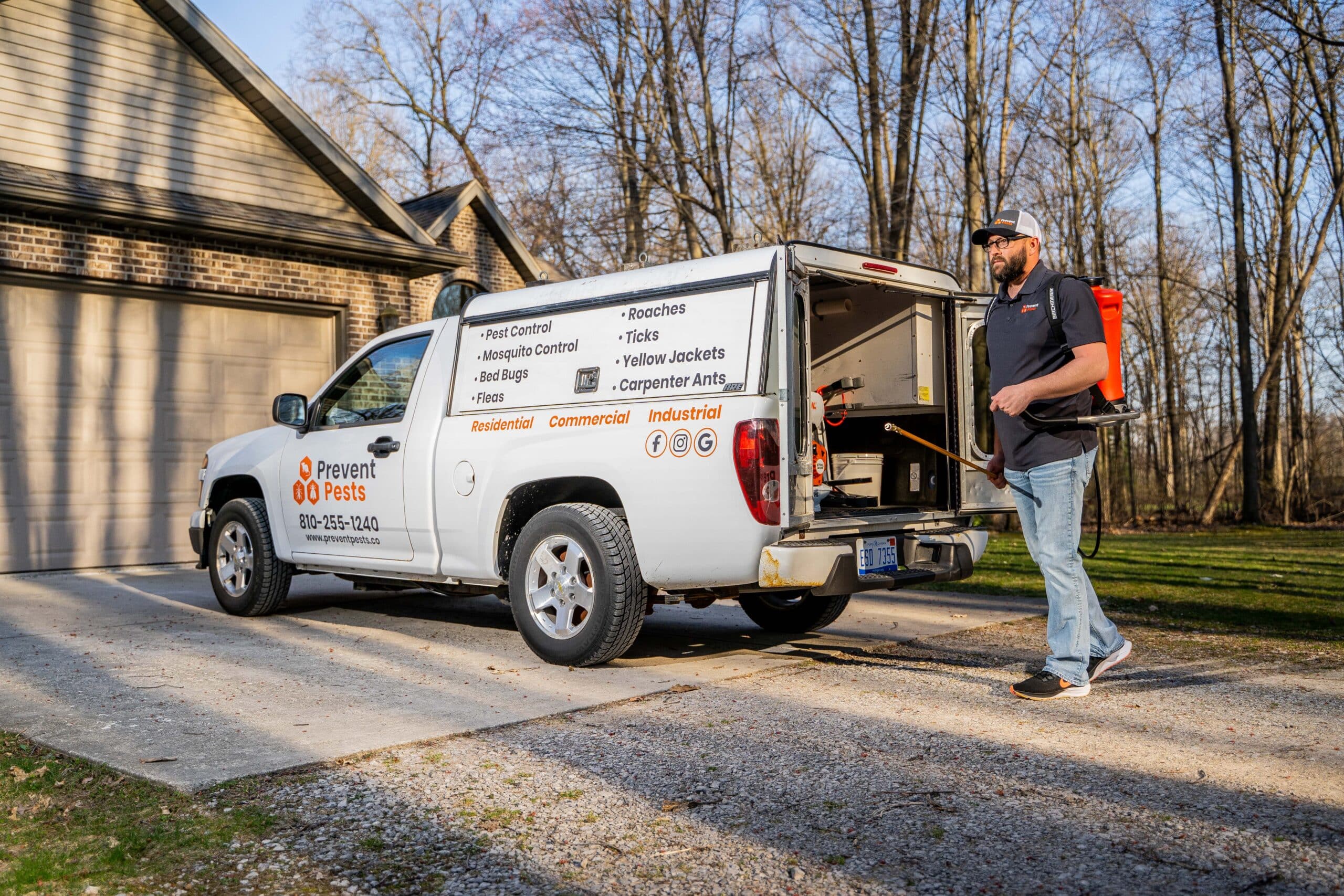
What Makes Our Wildlife Service Easier To Understand
Wildlife problems can feel unpredictable because so much of the activity happens out of sight. We make the process more manageable by separating what we know, what still needs investigation, and what each stage of service is designed to accomplish.
That also means being clear about scope. Trapping, eviction, monitoring, and scheduled wildlife follow-up belong to the wildlife management service. Sealing gaps, screening openings, or repairing access points falls under Flint wildlife exclusion and is quoted separately.

More Than Two Decades Of Field Experience.
Clear Service Recommendations.
Monitoring Continues After The Initial Setup.
The Property Determines The Exclusion Scope.
You See The Proposed Work Before Repairs Begin.
Removing Wildlife Is Only Half Of The Building Problem
An animal inside a wall, attic, garage, or other part of the structure usually had a way to get there. Removing that animal can solve the immediate concern, but the access point may still be present after the wildlife activity stops.
That is where exclusion becomes a different kind of service. Instead of focusing on the animal, exclusion focuses on the building. Depending on what our wildlife removal and exclusion experts find, the work may involve sealing gaps or penetrations, screening openings, or addressing accessible areas that appear vulnerable to repeat entry.
The distinction matters because exclusion is not automatically included with trapping, baiting, or Prevent Shield. Every property has a different exterior, different access challenges, and a different number of openings. For that reason, the work is evaluated and custom quoted after the relevant conditions are identified.
Our approach keeps those decisions separate and easier to follow. First, we determine what is happening with the wildlife. Then, if structural weaknesses are part of the problem, our Flint, MI, wildlife removal team explains the exclusion options so you can decide how you want to address them.
How Our Wildlife Removal And Exclusion Process Works
Check Out Our Reviews


“Excellent service… The ants were gone the next day and I haven’t seen any since. Highly recommend Prevent Pests!”
“Trustworthy, quality workmanship and integrity. They have everything you would want in pest prevention experts.”
“We have a pond and the mosquitos were BAD! Prevent Pests took care of our three acres – now I’m sitting on the deck without any bites.”
Schedule a Wildlife Inspection Before the Problem Gets Harder to Trace
Wildlife does not always leave an obvious trail. Sometimes the first sign is a noise at night. Other times it is damaged material, disturbed insulation, an unusual smell, or an opening that suddenly looks larger than it did before.
A Prevent Pests inspection gives you a clearer starting point. Our wildlife removal company can evaluate the activity, explain whether trapping or eviction may be appropriate, and point out accessible entry areas that could call for a separate exclusion estimate.
Feel free to contact our crew to schedule your inspection. Once we know what the property is telling us, we can explain the wildlife management options and any exclusion work that may deserve attention next.